


There’s nothing quite as frustrating as getting in your vehicle in the morning, turning the key, and hearing your engine struggling to turn over. A slow-starting car can make your daily commutes nervewracking, as you know there’s an issue in your vehicle preventing it from starting right up.
While issues in the ignition system often start minor, if left to linger, it could result in the inability to start your vehicle at all.
In this article, we’ll cover the most common causes of a slow-starting vehicle, why these issues occur, and what they could mean for your vehicle in the long term.
Causes of a Slow-Starting Vehicle
Weak/Dead Battery
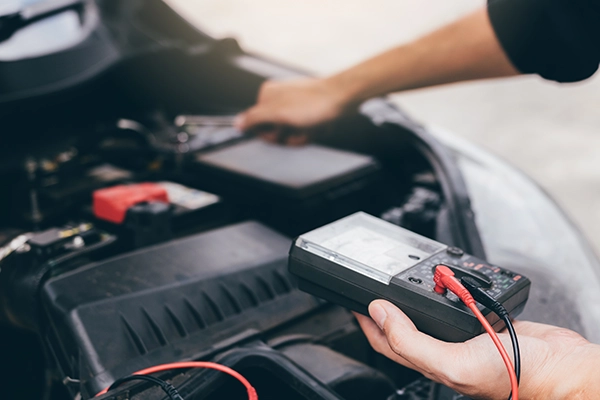
As the source of initial power for ignition, the battery plays a crucial role in getting your vehicle started as soon as you turn the key.
However, as most drivers know, automotive batteries will gradually degrade over time, losing their ability to hold charge and potentially leading to insufficient power output to start your vehicle.
This is potentially the most common cause of slow-starting or non-starting vehicles, as many drivers wait to service their battery until they notice the lack of charge. If you see the battery warning light appear on your dash and are experiencing issues getting your vehicle started, it could be due to a weak battery.
Fortunately, car batteries are generally inexpensive and simple to replace, and will return your vehicle to starting right up every time.
Faulty Fuel System
The fuel system is responsible for providing the necessary volume of fuel for combustion to your engine. Without the proper fuel pressure, the engine won’t receive adequate fuel and can prevent the engine from starting up quickly, or in some cases at all.
Oftentimes this is due to a failing fuel pump, which is responsible for creating the pressure needed to push fuel into the combustion chamber. A faulty fuel pump will also result in a host of powertrain issues, including reduced performance and efficiency, engine sputtering or stalling, and of course issues getting your engine to turn over.
Bad Starter Motor
The starter motor is responsible for providing the engine with initial rotation to kickstart combustion when you turn the key. This electrically-run motor is susceptible to the issues that affect any electrical component in your vehicle, including wiring issues, internal failure, or simply failure from old age.
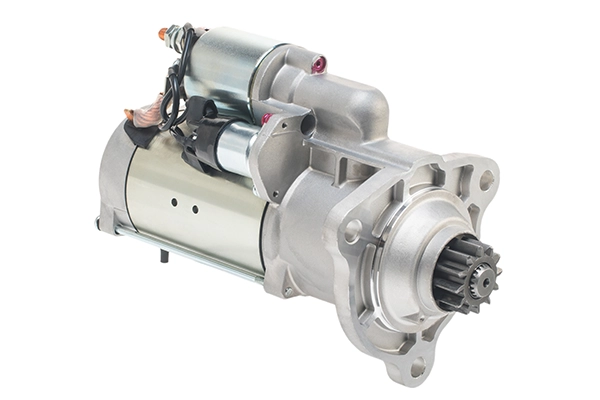
When a starter motor begins to fail, it will likely prevent your engine from starting up properly, and could result in difficulty getting the vehicle to run. After a starter fails completely, it will no longer be able to provide any rotation on ignition, and may prevent the vehicle from starting at all.
Spark Plug Issues
Spark plugs play the vital role of igniting the air-fuel mixture within the combustion chamber using a quick arc of electricity. These plugs consistently fire as you drive your vehicle, which makes it easy to understand why these components can fail over time and require replacement.
When a spark plug is experiencing issues, such as old age, insufficient power from the alternator, or has become contaminated with oil or debris, it will prevent the plug from creating the spark needed to ignite the air-fuel mix. This can lead to a host of power and efficiency issues, and if left to linger, could result in a complete inability to run the engine.
Ignition System Issues at Vineyard Bay in Spicewood, TX
If you’re experiencing slow-starting from your vehicle, or notice issues from any related systems, don’t hesitate to reach out to the experts at Vineyard Bay Automotive in Spicewood. Our team has extensive experience in providing high-quality ignition and electrical system repair on a wide variety of makes and models.
Don’t let these issues linger, as they’ll only worsen over time. Give us a call or schedule online today to secure your appointment with the premier ignition system repair facility in the Spicewood, Texas area!