


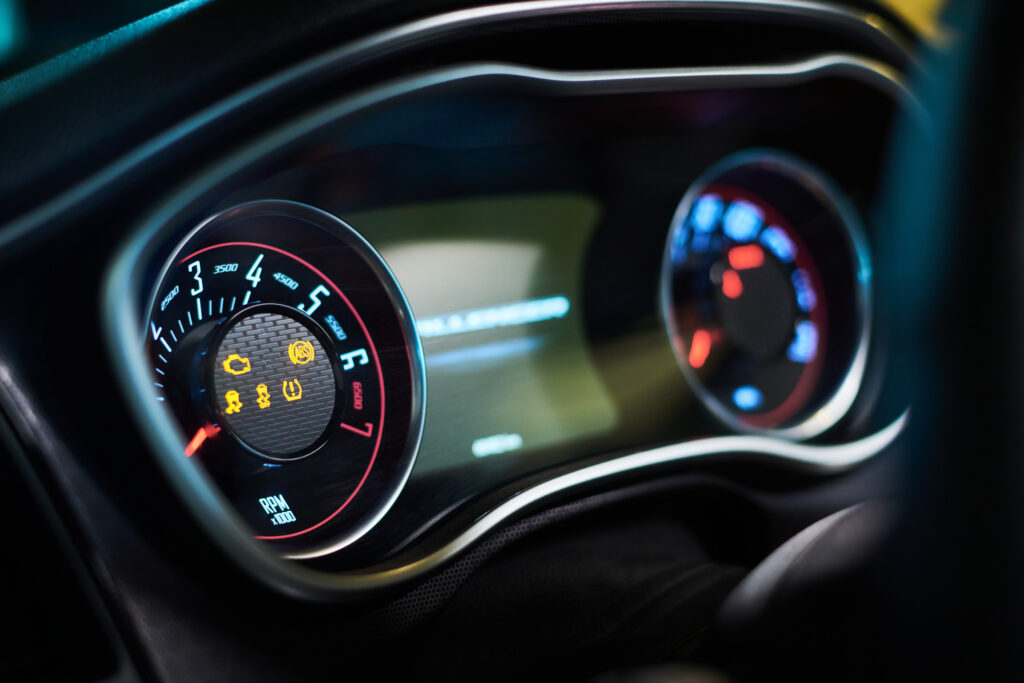
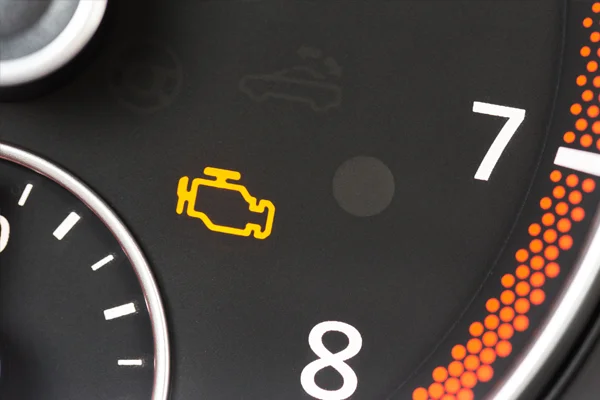
Without question, the CEL (check engine light) is the most common warning light drivers see when something is wrong with their car. Unfortunately, when the CEL comes on, it’s often accompanied by anxiety and stress. It’s easy to assume the worst when that yellow light comes on.
The check engine light alone isn’t always indicative of a catastrophic problem. In this article, we will look at some of the most common causes of a CEL and how to get it fixed.
Common Causes of a Check Engine Light
Loose or Worn-Out Gas Cap
Every element of the fueling system in your car, from the gas tank to the fuel injectors, is sealed to prevent the escape of environmentally harmful vapors. If you get gas and don’t fully screw in the cap, you will get a check engine light for evaporative emissions. Ensuring the cap is tight will eliminate the code.
If your car is older, the seal on the cap can wear out, leading to a check engine light. In this case, the cap will need replacement.
Catalytic Converter Issues
The exhaust catalyst, or catalytic converter, reduces tailpipe emissions. This device sits in the exhaust, removing some of the harmful gases produced by combustion and converting them to relatively harmless ones through a chemical reaction.
A failing catalytic converter can cause a check engine light, reduced performance, and poor fuel economy. In Nevada, you won’t pass an emissions test with a failed converter.
Spark Plugs and Ignition Coils
A faulty ignition system can cause the check engine light to come on. If the plugs are bad enough, you may experience a misfire, which happens when the air/fuel mixture in the cylinder is not ignited. Misfires will cause a flashing check engine light. If you see the light flash, stop driving your car immediately to prevent damage to the engine or catalytic converters.
Spark plugs are going to be a universal component across all gasoline engines, but the ignition system will vary from vehicle to vehicle and will also depend on the age of your car. Older vehicles may use a coil pack, ignition coil, or distributor. If any part of the ignition system prevents the spark plug from firing properly, you will likely see a check engine light on the dash.
Timing Problems
The bottom end of the engine—where the pistons and crankshaft are located—and the cylinder head—which houses the camshafts and valvetrain—must remain perfectly synchronized for the engine to operate properly. This synchronization, or “timing,” is maintained by a belt or chain, which naturally wears out over tens or even hundreds of thousands of miles. If timing becomes even slightly off, the check engine light may illuminate as a warning.
In more severe cases, a failed timing belt or chain can result in catastrophic engine damage and total failure. Typically, timing problems are accompanied not only by a check engine light, but also by significant drivability issues such as rough running, loss of power, or the engine not starting at all. Regular inspection and timely replacement of timing components are crucial to avoid major engine problems.
Oxygen Sensor Problems
The oxygen sensor (also known as an O2 sensor) is a component that monitors the amount of oxygen in the exhaust gases. These sensors tell the ECU how efficiently your vehicle is running, and whether or not the catalytic converters are working properly. Many vehicles will have an upstream O2 sensor (before the converter) and a downstream one (after the converter). If the sensor or the wiring connecting them to the ECU fails, you will get a check engine light.
Getting a Check Engine Light Diagnosed
If you have a solid check engine light, it’s generally ok to drive the car to your mechanic. However, if the light is flashing, be sure to pull over and get a tow. It’s better to spend a little extra getting your car towed than risk causing more extensive -and expensive- damage.
Check Engine Light Service and Diagnostics at Vineyard Bay Automotive
Notice an illuminated check engine light? Don’t take a chance on your vehicle. Come into Vineyard Bay Automotive in Spicewood, TX, and let our experienced service team get to the bottom of the problem. Give us a call or schedule an appointment online today!