


Automotive batteries typically don’t get much attention until you experience a problem starting your vehicle; however, despite their relatively long lifespans, it’s still important to keep an eye on your vehicle’s battery to ensure it’s free from corrosion or wear that can disrupt the electrical connection.
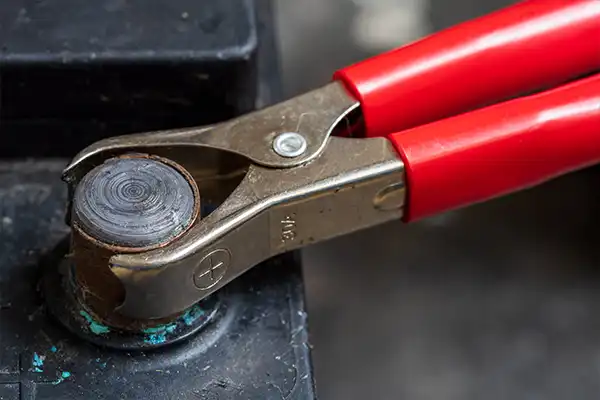
If you’ve looked at the engine bay of an old vehicle, you may have noticed a greenish-blue residue building up on the battery posts. This is the result of a problem in the battery, allowing sulfuric acid to exit the battery and corrode the terminals, leading to the accumulation of this crystallized residue on your battery. In this article, we’ll go over why this corrosion occurs, what it could mean for your vehicle, and how to clean this contamination from your own vehicle’s battery.
What Is Battery Corrosion?
While battery corrosion buildup can occur over time without causing much of an issue, it’s possible for the corrosion to get to a point where it disrupts the connection between the battery cable and the terminals. Without a proper connection to the battery, it’s likely that the vehicle will struggle to start up or simply not start at all.
What Causes Battery Corrosion?
The buildup you see on your battery is corrosion from sulfuric acid that has made its way out of the casing. This can occur for several reasons, but some of the most frequently seen include:
Overcharging
When the alternator is experiencing an issue that causes it to produce an excess of charge, it can lead to boiling acid, which causes pressure buildup inside the battery casing, forcing battery acid to leak from around the battery terminals. Oftentimes, an overcharging alternator will result in buildup on the positive battery terminal, particularly.
Battery Casing Damage
Another common source of battery corrosion is damage to the battery casing itself. When the exterior of the battery casing is cracked, warped, or otherwise damaged, it will allow battery acid to leak from the casing and accumulate near the terminals of your battery.
If you notice visible damage to the exterior of your vehicle’s battery, it’s best to have it replaced as soon as possible to avoid corrosion and other potential issues down the line.
Battery Age
It’s also possible that battery acid is leaking not because of external damage or an alternator issue, but rather simply the wear and tear that automotive batteries experience over time. As the seals and casing of a battery degrade gradually, it may eventually allow sulfuric acid to escape from the battery and form corrosion buildup. Battery corrosion may also be amplified by environmental factors, particularly hot weather, which can cause the battery to expand and damage the casing around it.
How To Clean Battery Terminal Corrosion
If your vehicle’s battery terminal corrosion needs attention, it’s crucial to address it promptly to ensure proper battery function. Cleaning battery corrosion is relatively straightforward, though it may require some scrubbing depending on the extent of the buildup. Before you begin, disconnect the battery cables to prevent electric shock.
After disconnecting the cables, thoroughly inspect them for peeling insulation or excessive wear. Damaged or frayed cables can lead to battery issues, so replacing them is essential.
Once you’ve disconnected and inspected the cables, use a stainless-steel wire brush to clean the cable contacts and terminals until the corrosion is removed. A mixture of baking soda and water is typically effective in removing the buildup.
Battery Services In Spicewood, TX
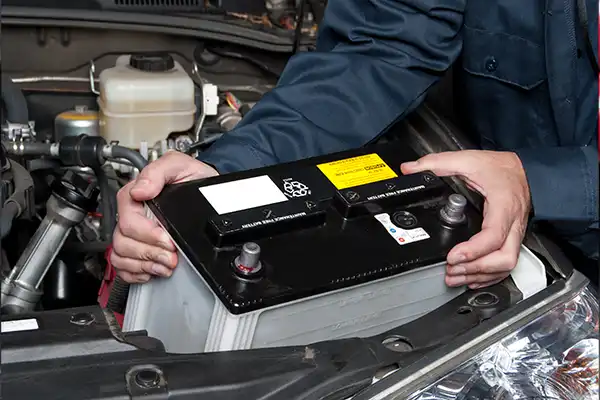
Replacing a car battery, especially on modern vehicles, can be challenging and, in some instances, even impossible to do independently. Many modern vehicles require the use of specialized tools for battery replacements. Our team is here to treat your vehicle like it deserves to be treated. Vineyard Bay Automotive in Spicewood, Texas, will keep your vehicle in tip-top shape, no matter what you drive. For electrical diagnosis or battery replacement, please don’t hesitate to call or schedule an appointment online today!